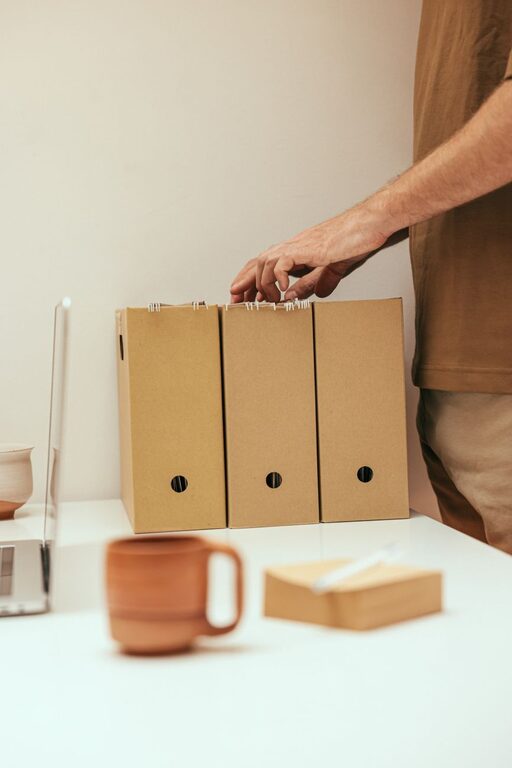










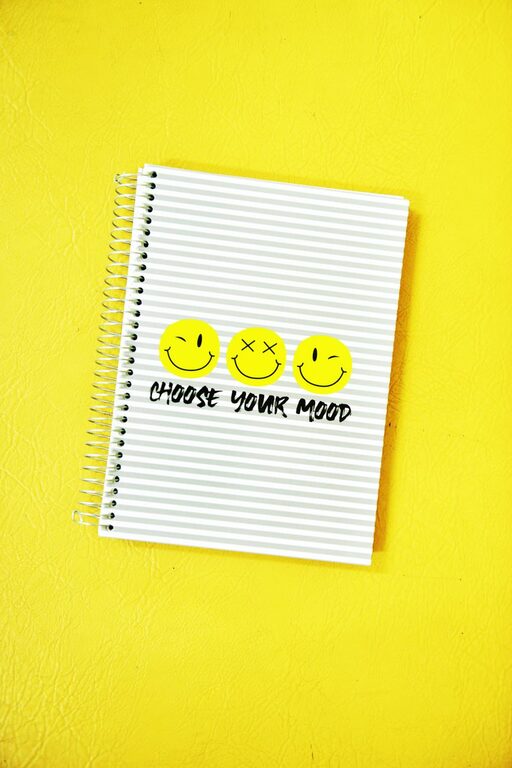
Choosing the right notebook can make a surprising difference in how often you use it and how effective it is for your needs. Whether you want a journal, planner, sketchbook, or a simple place to jot down ideas, the right notebook encourages consistency and creativity. This guide will help you navigate the options and find a notebook you’ll actually enjoy using.
Why Choosing the Right Notebook Matters
Many people buy notebooks with good intentions but end up leaving them unused. A mismatch between your preferences and the notebook’s features can make writing feel like a chore. Getting a notebook that fits your style, purpose, and daily habits can boost productivity and motivate you to write regularly.
Consider Your Purpose
Start by asking yourself: What will you use the notebook for? Different uses require different features.
Journaling or Diary
If you want a personal journal, consider a notebook with a pleasant texture and a size that’s easy to carry. A soft cover or a notebook with a durable binding can enhance the experience. Think about paper quality too — thick, smooth paper prevents ink from bleeding through.
Planning and To-Do Lists
For organizing tasks, a planner-style notebook with dates, sections, or grids might be best. Many planners also offer monthly and weekly layouts, which help break down your goals.
Drawing and Sketching
If you plan to sketch or doodle, choose a notebook with blank or dotted pages and thick, high-quality paper that can handle pens or light watercolor.
Note-Taking or Study
If you’re using the notebook for school or meetings, lined pages and a size that fits in your bag are important. Some prefer notebooks with perforated pages to easily remove notes.
Size and Portability
Notebooks come in various sizes. Here are some popular options:
– Pocket-sized (A6 or smaller): Great for quick notes on the go; easy to carry but limited writing space.
– Medium (A5): Popular size, balances portability with enough pages to write comfortably.
– Large (A4 or Letter): Suitable for extensive notes, sketches, or planners; less portable but offers plenty of space.
Consider how often you carry your notebook and what bag or space you have available.
Paper Quality and Type
Paper quality affects how your pen or pencil feels on the page and whether ink bleeds through.
– Weight: Paper weight is measured in gsm (grams per square meter). Look for 80 gsm or higher for writing; sketchbooks often use 100 gsm+.
– Texture: Smooth paper is nice for pens and markers, while off-white or cream-colored paper can reduce eye strain.
– Ruled, Grid, or Blank: Choose based on what helps you write or draw best. Grids support graphs and bullet journaling; ruled pages keep handwriting neat; blank pages inspire creativity.
Binding and Cover
The binding influences how the notebook opens and lasts.
– Spiral binding: Opens flat and easy to fold back, but may wear out with heavy use.
– Perfect binding (glued spine): Sleek, but may not open flat.
– Sewn binding: Durable and often allows the notebook to lay flat.
– Hardcover: Offers protection and durability, ideal if you carry your notebook everywhere.
– Softcover: Lightweight and flexible, but may wear faster.
Choosing a notebook with a cover you like can make a surprising difference in your enthusiasm to use it.
Additional Features to Look For
– Page numbers: Help with organization.
– Index or table of contents: Useful for planners or long-term journals.
– Bookmarks or elastic bands: Hold your place and keep the notebook closed.
– Pocket folders: Store loose papers or notes.
– Perforated pages: Easy to tear out notes.
Personalize Your Notebook
Sometimes, adding a personal touch can make your notebook more inviting.
– Use stickers, washi tape, or colored pens.
– Decorate the cover with photos or drawings.
– Create a key or legend if you bullet journal.
Try Before You Buy
If possible, test the notebook in person. Feel the paper, open the binding, and imagine how it will fit into your routine. Many stores offer sample pages or display notebooks you can flip through.
Final Tips for Success
– Don’t buy the biggest, most expensive notebook just because it looks nice. Choose what fits your lifestyle.
– Consider having more than one notebook for different purposes.
– Make time in your day to use the notebook regularly.
– Remember, it’s okay to change notebooks if your needs evolve.
Conclusion
Selecting a notebook that you’ll actually use involves thinking about your goals, preferences, and habits. With the right size, paper quality, binding, and features, your notebook can become a trusted companion for planning, creativity, or reflection. Take your time choosing, and enjoy the process of making your notebook uniquely yours. Happy writing!