










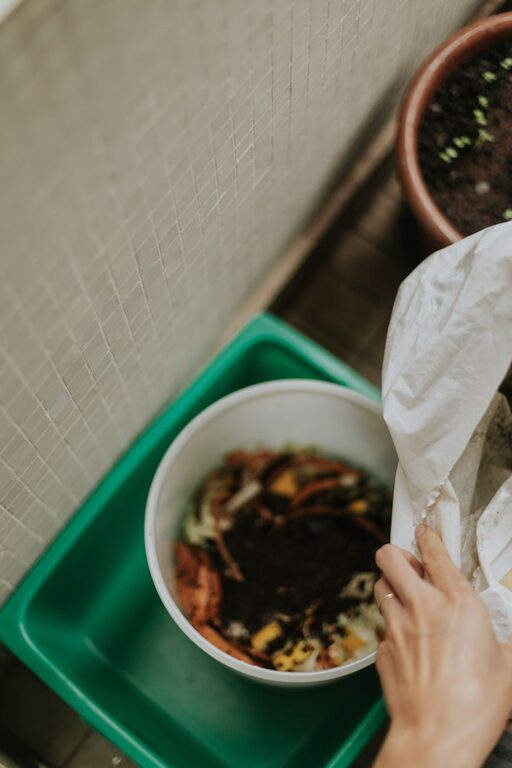
Reducing food waste at home is not only good for the environment but also for your wallet. Every year, millions of tons of food are thrown away unnecessarily, leading to wasted resources and lost opportunities to nourish our families. The good news is that with a few smart habits and small changes in your daily routine, you can significantly decrease the amount of food your household discards. Here are practical ways to reduce food waste at home.
Why Reducing Food Waste Matters
Before diving into tips, it’s helpful to understand why reducing food waste is important:
– Environmental Impact: Food waste contributes to greenhouse gas emissions when it decomposes in landfills.
– Resource Conservation: Growing, harvesting, and transporting food uses water, energy, and labor.
– Financial Savings: Wasted food translates directly into wasted money.
By minimizing food waste, you contribute to a healthier planet and keep your grocery budget in check.
Plan Your Meals and Shopping
Make a Weekly Meal Plan
Deciding what to eat for the week helps you buy only what you need. Plan meals based on what’s already in your pantry and refrigerator to use up ingredients before buying new ones.
Create a Detailed Shopping List
Stick to a shopping list based on your meal plan. Avoid impulse buys by shopping with a list, and only purchase amounts you know your household will consume.
Shop Smart
– Buy loose fruits and vegetables, so you can choose the exact quantity.
– Check expiration dates to select items that will last.
– Avoid bulk purchases if you can’t use the food before it spoils.
Store Food Properly
Proper storage extends the life of your groceries.
Organize Your Fridge and Pantry
Keep older items in front so they are used first. Place new groceries behind the older stock.
Use Clear Containers
Transparent storage containers help you see what you have, reducing forgotten leftovers or ingredients.
Store Produce Correctly
Some fruits and vegetables last longer outside the fridge, while others need cold storage. For example, tomatoes do better at room temperature, while leafy greens should be refrigerated.
Use Leftovers Creatively
Don’t let leftovers go to waste; they can become delicious new meals.
Repurpose Leftovers
Turn roasted vegetables into soup, stale bread into croutons, or leftover rice into fried rice.
Freeze Extras
If you have more food than you can eat in a few days, freeze portions for later use.
Label and Date
Use labels to keep track of what’s in your freezer or fridge, so you use food before it spoils.
Manage Portions to Avoid Waste
Serving appropriate portions reduces plate waste.
– Start with smaller servings and go back for seconds if hungry.
– Allow family members to serve themselves to control portion sizes.
Compost Food Scraps
Even with the best efforts, some food scraps are unavoidable.
– Compost vegetable peels, coffee grounds, and eggshells to reduce landfill waste.
– Many communities offer composting programs if you don’t have your own compost bin.
Shop and Eat Seasonally
In-season produce is fresher and lasts longer, reducing spoilage rates.
– Seasonal foods are often more affordable and flavorful.
– Plan meals around seasonal ingredients to enjoy better quality and less waste.
Tips for Specific Food Items
Bread
– Freeze extra bread to keep it fresh.
– Use stale bread for breadcrumbs or French toast.
Dairy Products
– Use the oldest dairy items first.
– Freeze cheese in portions if you won’t use it soon.
Fruits and Vegetables
– Use wilting produce in smoothies or soups.
– Preserve herbs by freezing them in ice cube trays with water or oil.
Educate Your Household
Reducing food waste is easier when everyone is on board.
– Share waste reduction goals with family members.
– Encourage children to help plan meals and use leftovers.
– Celebrate small wins together to stay motivated.
Summary
Reducing food waste is achievable with a bit of planning, creativity, and mindfulness. By planning meals, storing food properly, repurposing leftovers, managing portions, composting scraps, and shopping seasonally, you can make a positive impact at home. These simple habits save money, reduce environmental impact, and promote a more sustainable lifestyle. Start with one or two changes today, and watch how they transform your kitchen routine over time.